Bradford Teaching Hospitals NHS Foundation Trust is pioneering new ways to help patients with chronic and debilitating sinus and nose allergy problems.
New medical options for nose conditions such as allergies (allergic rhinitis) include targeted immunotherapy tablets (for dust mites, tree and grass pollen) and for nasal polyps include biologic injections which target specific immune system pathways to treat chronic rhinosinusitis, are now provided at Bradford Royal Infirmary (BRI).
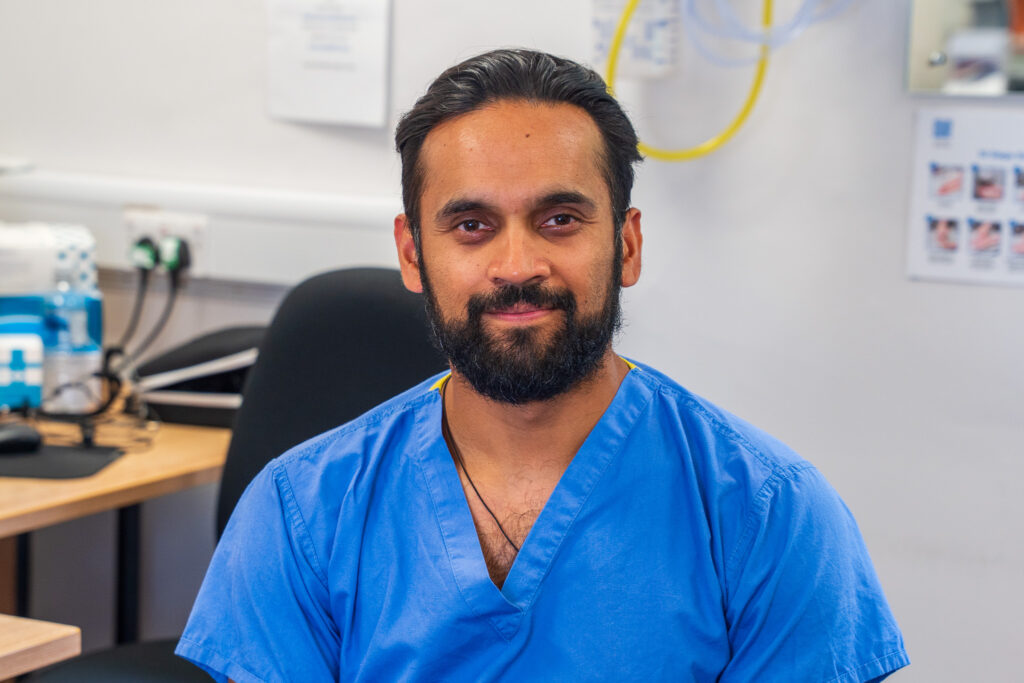
ENT (Ear, Nose and Throat) Consultant, Sandeep Mistry, is a specialist in rhinology – which covers all aspects of nose and sinus disease including allergy, infection, inflammatory conditions and tumours has developed the local service to offer these cutting-edge treatment options for patients at Bradford.
Mr Mistry has also developed the service to provide surgeries and procedures under local anaesthetic as outpatient appointments, allowing patients to get on with their lives sooner due to quicker recovery times and improving waiting times.
“We’re continually looking at new treatments, research opportunities and innovation, to offer new and better treatments for patients who suffer from debilitating nasal symptoms from conditions like sinusitis and allergies that effect the nose and sinuses,” said Mr Mistry.
“I’m pleased that we can now give patients more convenient and cutting-edge long-term treatments with the hope of further new drugs for chronic sinusitis with polyps and allergies in the future.”
Bradford is now one of the largest hospitals in the UK, and the only centre in Yorkshire, for using a procedure called ‘radiofrequency turbinate reduction’ to shrink swollen nasal tissue, helping patients to breathe better.
Not only does it have good outcomes for patients, but it frees up theatre space as the procedure is done in ENT clinic rooms.
Another procedure that started last year, and is rapidly expanding, is the removal of polyps under local anaesthetic, to give patients a better quality of life. This, together with others such as balloon sinuplasty and radiofrequency, allows the team in Bradford to treat a wide range of nose and sinus issues in the clinic rather than in theatre.
In 2024, Mr Mistry and his colleagues started an ENT-led immunotherapy service for allergic rhinitis, caused by a person’s reaction to dust and tree and grass pollen – which is a particular problem this year.
The Trust is the only one in Yorkshire to have shared care with local GPs for treating patients who have an immune system overreaction to these common allergy agents.
This means that patients can receive initial immunity treatment in the hospital and then have follow-up prescribing through their local GP, so patients are treated quicker, without waiting for an ENT appointment for further prescriptions.
Bradford has recently gained status as one of a few trusts nationally that can prescribe dupilumab, which blocks two specific proteins which cause inflammation in the sinuses and upper airway. The Trust will work as part of a regional network to deliver these treatments – a model that has been pioneered by the team at BRI.
And it continues to lead the way in research for nasal polyps and is the only centre in the region involved in nasal polyp clinical trials working with large pharmaceutical companies. This could lead to possible treatment options for patients who are not eligible for treatments such as dupilumab on the NHS.
Watch Sandeep Mistry talk about how Bradford is leading the way on these new treatments