When it comes to identifying and treating patients with osteoporosis, Bradford Teaching Hospitals NHS Foundation Trust has an award-winning service which is leading the way in helping to support people living with the condition stay well and out of hospital.
The Trust’s fragility fracture liaison service, run by Sister Janine Connor, identifies patients who have come to hospital with a fragility fracture – bones breaking from a low trauma event – or have other symptoms.
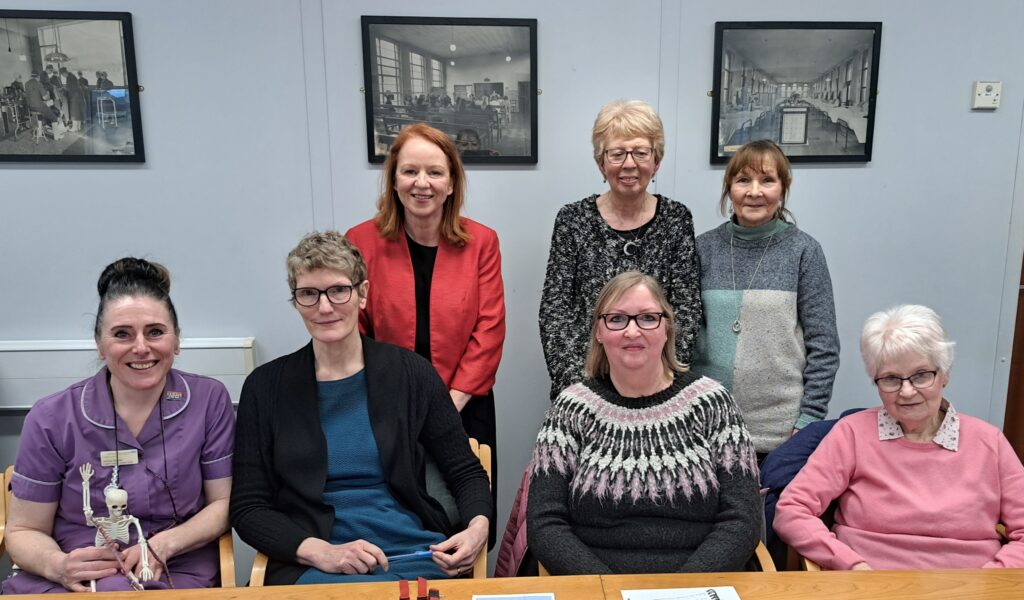
Now MP for Bradford South, Judith Cummins, who has long championed bone health and fracture prevention, has visited Bradford Royal Infirmary to meet Janine and the Bradford Osteoporosis Support Group, which includes many former patients of the fragility fracture liaison service, to hear about its development and awareness-raising work.
She said:
Bradford offers a trailblazing fracture liaison service for those living with osteoporosis. I heard from Janine and the team how they are working to ‘capture the fracture’ early, exploring minor or unexplained fractures to diagnose osteoporosis promptly and help patients better understand and manage their bone health.
It was wonderful to meet members of the support group, volunteers living with this condition, and hear about their work to raise awareness about bone health and the importance of early diagnosis, so that people get the support they need before that preventable, life-changing or life-threatening fracture.
Good, early intervention on bone health can keep people active and independent for longer, prevent unnecessary pain, and save lives.
The service responds to the first fracture to prevent the second. It identifies patients who have had a fracture which should not have happened given the mechanics of the injury – a low-trauma fracture. Set up by Janine in 2016, the service has now captured more than 12,000 patients with a fragility fracture.
The government has pledged that all NHS trusts should have a fracture liaison service by 2030 – to provide post-fracture care nationally.
Once patients are identified they are assessed using the FRAX tool (to evaluate fracture risk), bloods and bone densitometry (DEXA scan). The fragility fracture service also provides lifestyle and dietary advice too because education of patients with osteoporosis is key in fracture prevention.
Referrals to other healthcare professionals, where needed, ensure holistic care, and the team also has follow-up phone calls with patients for whom treatment has been recommended to prevent problems.
Patients with fragility fractures are put on the national database, so they can be included in ongoing data collection and research.
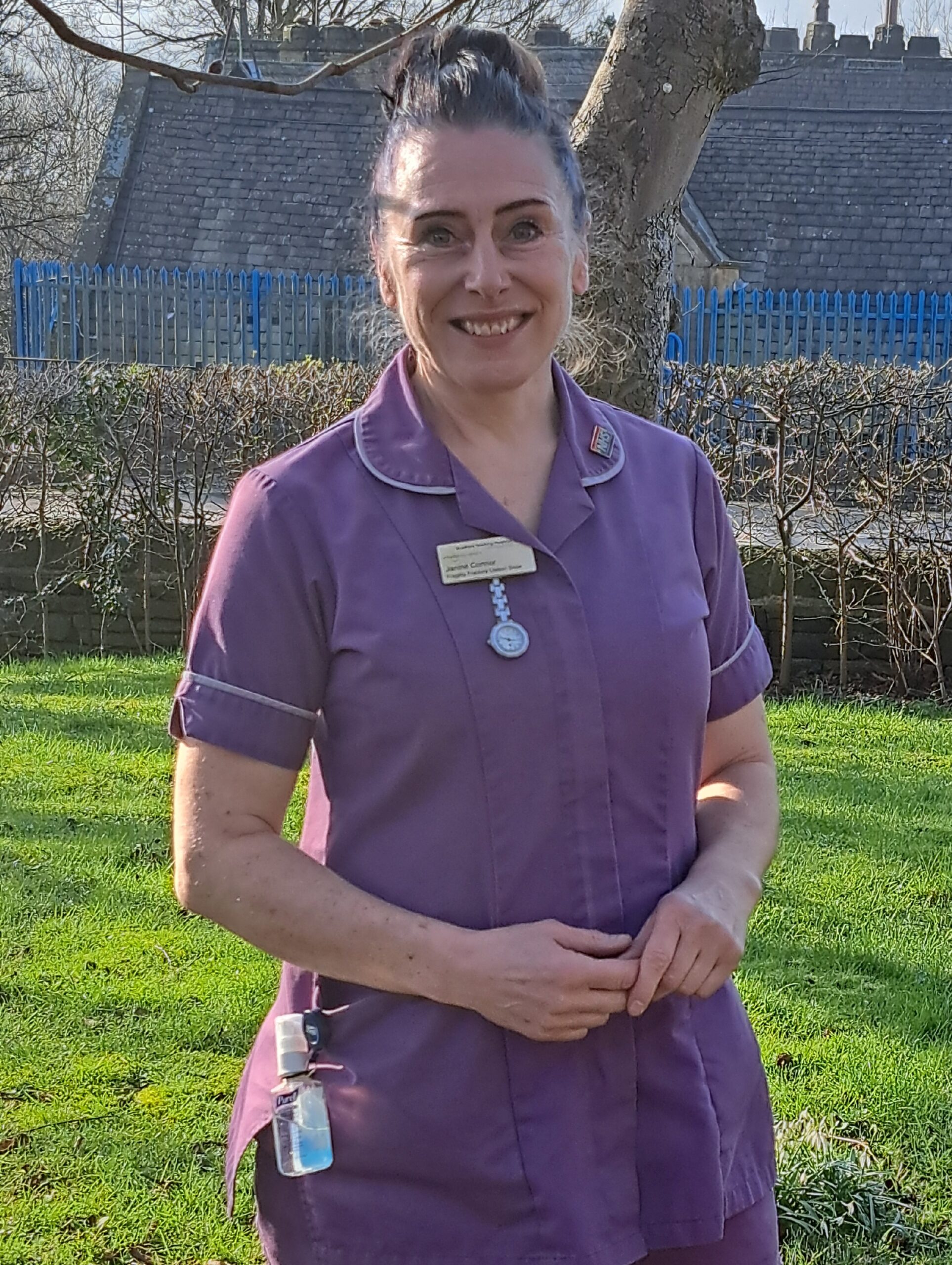
Sister Janine Connor
Janine said:
We’re delighted that Judith Cummins came to hear how our service is developing and meet some of our patients. We’re all passionate about bone health and doing the best for patients, that’s why the fragility fracture liaison service is so important.
If we didn’t have the service, we would have far more fractures, meaning more patients in hospital and having to have extra care at home. Identifying patients at risk helps support them to live a better life with osteoporosis and saves the NHS money.
Patients in Bradford are also benefitting from research led by Research Programme Manager, Anne Heaven from the Academic Unit of Ageing and Stroke Research at Bradford Institute for Health Research (BIHR).
Anne’s work with older women and primary healthcare professionals across England is guiding improvements in osteoporosis care. Together, they have produced an ABC of good bone health and an ‘ideal’ osteoporosis journey for older women.