
Our Bradford Dietitian-led Coeliac Service has been running since December 2018 and is run by specialist coeliac disease dietitians and hospital gastroenterologists.
Coeliac disease
About us
More about us
Dietitians are the main health professionals within the service that are responsible for monitoring patients and supporting them with the gluten free diet. However, if there are any medical issues, access to a gastroenterologist is available when needed.
What you can expect from our service
We will do our best to support you every step of the way, from diagnosis to ongoing follow-up. We offer different types of appointments to suit your needs, and this includes in person appointments, telephone appointments and the use of digital questionnaires.
We will support you with following a gluten free diet, learning how to ensure your gluten free diet is balanced, monitoring your blood tests and offering regular contact and support for many other things.
Bradford coeliac newsletter
Want more information to help you with the gluten free diet sent into your inbox? Sign up to our free Bradford coeliac disease newsletter.
More about the newsletter
Our Bradford coeliac disease newsletter has been created by the dietitians in the dietetic-led coeliac service in Bradford Teaching Hospitals NHS Foundation Trust to support people living with coeliac disease in Bradford.
Following the gluten free diet can be difficult and our newsletter has been extremely supportive for many of our patients who have appreciated knowing about more gluten free eateries, new food products in supermarkets as well as recipes to cook at home.
What is coeliac disease?
Coeliac disease is a condition where your immune system attacks your own tissues when you eat gluten. This damages your gut (the small intestine) and therefore reduces the amount of nutrients you can absorb from your diet.
Healthy small intestine Damaged small intestine

Coeliac disease is common and affects 1 in 100 people.
Symptoms, diagnosis and treatment
Please note: diagnosis of coeliac disease in certain patients can be made without an endoscopy procedure.
What are the symptoms?
If you have coeliac disease, eating foods that contain gluten can trigger a range of gut symptoms, such as:
- diarrhoea, which may smell particularly unpleasant
- stomach aches
- bloating and flatulence
- indigestion
- constipation
- nausea and vomiting
Coeliac disease can also cause non-digestive symptoms, including:
- tiredness (fatigue) as a result of not getting enough nutrients from food (malnutrition) as well as vitamin and mineral deficiencies
- unintentional weight loss
- an itchy rash (called dermatitis herpetiformis)
- problems getting pregnant (infertility)
- nerve damage (peripheral neuropathy)
- disorders that affect coordination, balance and speech (ataxia)
- headaches, brain fog and migraines
- mouth ulcers
- weaker bones (osteopenia and osteoporosis)
Around 20% of people living with coeliac disease have no symptoms and find out they have the disease following tests for other medical conditions or symptoms.
Children with coeliac disease may not grow at the expected rate and may have delayed puberty.
If you think you, your child or any other family member might benefit from getting tested for coeliac disease you can complete this online self-assessment from Coeliac UK and take it to your GP.
How is coeliac disease diagnosed?
- Blood tests – checking certain antibodies to help identify people who may have coeliac disease; in some cases this can be enough to diagnose certain patients.
- Biopsy – some people require an additional biopsy of the small intestine performed through a camera test (called an endoscopy) to confirm the diagnosis if the bloods tests aren’t clear enough.
Whilst being tested for coeliac disease, it is important to continue to eat foods which contain gluten. Ensure that you are eating gluten in at least one meal per day. For example, gluten containing pasta meal and 1-2 slices of bread per day. The more gluten you can eat before testing the better so that the test can be as accurate as possible.
You should also not start a gluten free diet until the diagnosis is confirmed by a health professional.
How does coeliac disease get treated?
The only treatment available is a lifelong gluten free diet.
A gluten free diet excludes all foods containing gluten to enable your gut to heal and help your body to absorb important nutrients from your diet.
Gluten is a protein found in the cereal grains wheat, barley and rye. As oats tend to be manufactured alongside these gluten-containing grains it is also important to only eat oats labelled ‘gluten free’.
Gluten is therefore found in any food which contains wheat, barley and rye, including but not limited to:
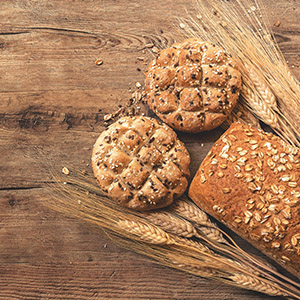 pasta
pasta- bread, chapati and roti
- breakfast cereals
- cakes and biscuits
Following the gluten free diet will help improve symptoms and reduce the risk of long-term conditions including anaemia or osteoporosis amongst other ones. It can be difficult to start with and you will need the support of a dietitian when diagnosing and throughout, if there are any ongoing issues and if you have scheduled follow-ups with the dietitian.
Your GP or gastroenterologist will ensure you are referred to a dietitian who will then give you advice, information and give the support you need to follow the gluten free diet. You can always seek a referral to a dietitian through a health professional at any point.
How to identify gluten on a food label?
How much gluten does it take to damage my gut?
Useful resources
Coeliac UK

Leading UK charity offering current information, tools and the Live Well Gluten Free app for managing a gluten free diet.
Resources in other languages

Audio guides on coeliac disease and the gluten-free diet, available in Sylheti and Urdu.
NHS
NHS website explaining what coeliac disease is, its symptoms, how it’s diagnosed, and how to manage it.
Patient Webinars

Offering multiple dietitian-led coeliac videos and downloadable handouts to help you manage your condition.
Helpful dietary information
How to optimise your gluten free diet
Calcium
Why is calcium important?
Calcium is an important nutrient to help support your bone health and reduce the risk of developing osteoporosis. Compared to the general population, people with coeliac disease require a higher daily calcium intake.
How to optimise my calcium intake?
Adults with coeliac disease should aim for at least 1000mg of calcium daily.
It is important to ensure you are having adequate amounts of calcium daily from your diet. Take a look at the Coeliac UK Calcium resource and videos to see which foods contain calcium.
It is also important that you have sufficient vitamin D levels for your body to be able to absorb calcium.
Vitamin D
Why is vitamin D important?
Your body needs vitamin D to absorb calcium.
How to optimise my vitamin D levels?
Interestingly, vitamin D is a hormone, rather than a vitamin and is made by your skin in response to sunlight.
During the winter months, it is important to take a vitamin D supplement. Although some foods contain a small amount of vitamin D it is not sufficient to maintain adequate levels of vitamin D in your body.
Your dietitian will monitor your levels annually and provide recommendations based on your blood results.
For more information, visit Calcium and vitamin D – Coeliac UK.
Iron
Why is iron important?
Iron is an important mineral with many functions. Some people with untreated or undiagnosed coeliac disease may be iron deficient as the body is unable to absorb iron when the lining of the gut is damaged. This can sometimes continue to happen whilst on a gluten free diet.
How to optimise my iron intake?
Depending on your gender and age, you may have different iron requirements.
There are many foods which contain iron that you can incorporate within your diet.
It is important to note that animal sources are better absorbed by the body however, there are non-meat sources of iron which you can include in your diet.
Visit Coeliac UK to find out more about iron and how to ensure you’re getting enough.
Fibre
Why is fibre important?
There is strong research evidence that there are many benefits to fibre including support with digestion, preventing constipation as well as lowering the risk of many conditions such as heart disease, type 2 diabetes and bowel cancer.
How to optimise my fibre intake?
Current recommendations for fibre intake are 30g per day. At present, the UK consumes less than the recommended daily amount with average intakes of 15-20g per day.
Coeliac UK has noted that a gluten free diet can be low in fibre and wholegrains due to the removal of the cereals wheat, rye and barley. Therefore, it is important to ensure that you are consuming enough fibre from gluten free sources daily. You can do so by including more gluten free grains, nuts, seeds and pulses daily into your meals and snacks.
It is also important to note when you are buying pre-packaged foods like gluten free breads, pastas or ready meals you can check the nutritional information on the packaging. Foods must contain at least 3g per 100g to be called a source of fibre and 6g per 100g to claim to be high in fibre.
You could start by adding fruit, nuts, linseeds and/or chia seeds to breakfast cereals, swapping half of your meat in hot meals for legumes and pulses such as lentils, peas and chickpeas. As well as trialling different grains with meals i.e. switching white rice and white gluten free pastas for brown rice, buckwheat, quinoa and brown gluten free or chickpea pastas.
For more information, visit Fibre – Coeliac UK.
There is also a helpful list of the fibre content of gluten free foods (PDF) created by our Specialist Coeliac Dietitian, Cristian.
Folic acid
Why is folic acid important?
Folic acid is the synthetic version of the vitamin folate, also known as vitamin B9.
Folate helps the body make healthy red blood cells and is found in certain foods. It is sometimes not well absorbed in untreated coeliac disease, and it can also be low in people with coeliac disease following a gluten free diet if certain food choices are not made.
Folic acid and pregnancy
Folic acid is also important during pregnancy to protect against neural tube defects such as spina bifida. Therefore, since it is common to see folate deficiency in people with coeliac disease, it is important to mention that those who are actively trying to conceive and up to the first 12 weeks of pregnancy take a folic acid supplement.
A higher dose of folic acid is recommended by the Health Advisory Council for women with coeliac disease who are trying to conceive or who are pregnant. These high levels are not available over the counter, so it is important to mention this to your dietitian during clinic or contact your GP if you do not have an imminent appointment with us.
For more information, visit Gluten free when pregnant – Coeliac UK.
Gluten free diet during preconception and pregnancy
Your diet during pregnancy
It is very important to follow a strict gluten free diet if you have coeliac disease and are either planning to get pregnant or are pregnant and want to have a healthy pregnancy. This is because there is some research to suggest that untreated coeliac disease is associated with subfertility and miscarriage.
We would suggest speaking to a health professional if you are planning for pregnancy and taking other general steps to help fertility and pregnancy outcomes.
Helpful leaflet
British Dietetic Association – helpful diet and lifestyle advice to improve female fertility (PDF)
Please note: this is not a resource designed specifically for those with coeliac disease following a gluten free diet. Please therefore make the appropriate dietary adjustments.
Gluten free book recommendations





 Live Well Gluten Free
 Find Me Gluten Free
 Atly – Know where to go
 Gluten Free Glee
Cooking at home
Additional support
Exercise and weight loss support
If you need some additional support with losing weight, here are some helpful tools and services available:
Keeping your mind healthy
It is important to prioritise relaxation as well as your overall mental wellbeing to further support your gut health. Living with coeliac disease whilst navigating day to day life can be challenging at times and it is important to seek support for your mental health if you are struggling.
Some helpful tools and resources to support you with deep relaxation as well as links to more tailored support
Urgent help
Mental health crisis
If you need urgent mental health crisis support, contact First Response on 0800 952 1181, or call 111 and choose the mental health option.

Life-threatening emergencies
If someone’s life is at risk, call 999 or go to A&E.
©
2026 Bradford Teaching Hospitals NHS Foundation Trust