
If you’ve been referred for investigations because of possible gynaecological cancer symptoms, this page will help you understand what happens next.

You’ll meet the team who will be looking after you, learn what to expect when you’re referred on the fast-track pathway, and find out about the treatments we offer.

We understand this can be a difficult and worrying time. Our aim is to answer your questions and explain how we’ll support you throughout your care.
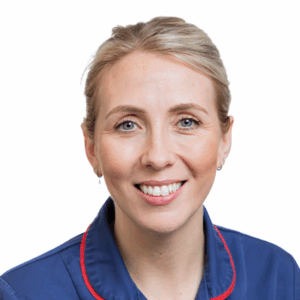
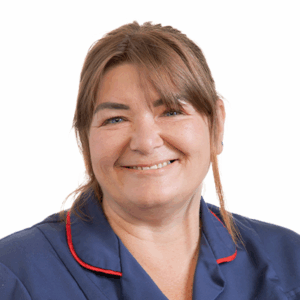
Meet the team

Charlotte Johnson-Smith
Lead Macmillan Gynaecology Nurse Specialist

Carly Meadowcroft
Macmillan Gynaecology Nurse Specialist

Fayoke Wisdom
Gynaecology Cancer Care Coordinator

Sudeepthi-Kakara
Consultant Gynaecology

Your gynae Macmillan nurses work closely with a larger multi-disciplinary team (MDT) specialising in gynaecological oncology at Bradford Teaching Hospitals. The MDT includes:

  • Surgical Clinicians
  • Outreach Surgeon
  • Medical Oncologists
  • Clinical Oncologists
  • Gynaecology Cancer Care Coordinator
  • Radiologists
  • Histopathologists

The local team also works closely with colleagues at the Gynaecology Cancer Centre at St James’s Hospital, Leeds.

Consultants you may meet at Bradford

  • Dr J Anderson
  • Dr A Kaufmann
  • Dr Shah – Medical Oncologist
  • Dr Sarwar – Medical Oncologist

Contact details

Macmillan Gynaecology Cancer Team
Tel: 01274 382417 (Monday–Friday, 9am–4pm)

Gynaeoncology Secretaries
Tel: 01274 382660 (Monday–Friday, 8am–4pm)

Macmillan Support Line
Tel: 0808 808 0000 (7 days a week, 8am–8pm)

Please leave a message outside of these times.

Surgical Ward (Ward 21, Bradford Royal Infirmary)
Tel: 01274 364384 or 01274 364383 (24 hours)

Leeds Ward J98
Tel: 0113 206 8298 (24 hours)

Your journey and what to expect

The gynaecology oncology fast-track pathway is usually started by a GP or doctor after an assessment of your symptoms and examination findings.
Once we receive your referral, we may arrange some further investigations or tests before your first appointment. These will be discussed with you by telephone to help reduce waiting times.

Your first appointment

At your first appointment, we will:

  • Ask about your general health, symptoms and medical history
  • Carry out a vaginal and/or abdominal examination (with your consent)
  • Discuss any results we already have

You’ll have time to ask questions and talk through any worries. It can be helpful to write your questions down and bring them with you.
Sometimes more tests are needed before a diagnosis or treatment plan can be made. If treatment is required, we’ll explain your options and arrange appointments with the relevant specialists.

Support throughout your care

The Gynaecology Macmillan Nurse Specialist Team will support you at every stage. They’ll help coordinate your care, provide information and advice, and act as a link between you and the wider MDT.
They can also refer you to other professionals or charities that may be able to help meet your needs.

Please note the team works Monday to Friday, not weekends or bank holidays. If you leave a message, they’ll usually respond within 24–48 hours.

Treatment options

Surgery

Surgery for gynaecological cancer may take place either at Bradford Royal Infirmary or St James’s Hospital, Leeds, depending on the type and stage of your cancer.
Before surgery, your surgeon will:

  • Assess your fitness for surgery and anaesthetic
  • Review your medical history
  • Explain the procedure, including risks and benefits

If you decide to go ahead, you’ll be given a date for your operation.

Pre-assessment clinic

Before surgery, you will attend a pre-assessment appointment where we will:

  • Discuss your health, previous operations, and medications
  • Take your height, weight, blood pressure and blood samples
  • Arrange an ECG if needed
  • Explain fasting instructions and give you details about your admission

You’ll need to pack an overnight bag with toiletries, a dressing gown, slippers, comfortable clothing and any medications you’re currently taking.

It’s important to eat well, stay active, and stop smoking before your operation to help your recovery. Please ask if you need support with this.
Visit Cancer Services – Prehabilitation.

During your stay

You’ll be cared for by the surgical ward team and the enhanced recovery team.

After surgery, we will help you get up and moving as soon as possible. Recovery times vary for everyone — don’t worry if progress feels slower than expected.

Most patients go home after three to four days, but those having keyhole (laparoscopic or robotic) surgery may go home the next day.

Going home and recovery

At home, continue your recovery by:

  • Taking pain relief as needed
  • Staying mobile and doing pelvic floor exercises
  • Avoiding heavy lifting for six weeks (nothing heavier than a full kettle)

If you are worried about managing at home after your operation, please tell us as early as possible.

We will arrange a follow-up appointment to check your recovery and discuss results or further treatment.

Helpful resources:

Contacts:

  • Bradford Gynaecology Macmillan Nurses: 01274 382417 (Mon–Fri 9am–4pm)
  • Surgical Ward (Ward 21): 01274 364384 / 01274 364383 (24/7)
  • Gynae-Oncology Secretaries: 01274 382660 (Mon–Fri 8am–4pm)
  • Admissions Team: 01274 364888 (Mon–Fri 8am–4pm)
  • Leeds Ward J98: 0113 206 8298 (24/7)
  • Secretary to Dr Kaufmann: 0113 206 8450 (Mon–Fri 8am–4pm)

Chemotherapy

Chemotherapy uses powerful medicines to destroy cancer cells and stop them from growing or spreading.
It can be used to:

  • Control cancer and relieve symptoms (palliative chemotherapy)
  • Shrink the cancer before surgery (neo-adjuvant chemotherapy)
  • Prevent the cancer returning after treatment (adjuvant chemotherapy)

Sometimes you may also have other treatments such as radiotherapy, immunotherapy, targeted therapy or hormone therapy.
Chemotherapy is usually given intravenously (IV) in hospital as a day case, though some treatments may be taken as tablets.
You’ll be referred to a Medical Oncologist, and depending on your treatment plan, you may have chemotherapy at:

  • The Meadows Unit, Eccleshill Community Hospital, Bradford
  • St James’s Hospital, Leeds (Bexley Wing)

Parking is free at both sites.

Your first appointment

Your oncologist will:

  • Check your medical history and fitness for treatment
  • Explain your treatment options, risks and benefits
  • Provide written information about your chemotherapy and side effects

You’ll have time to consider your options and will usually return for a Consent Clinic one or two weeks later to confirm your decision.
Treatment usually starts two to three weeks after consent and is given in cycles — a set number of treatment days followed by a rest period to let your body recover. The number of cycles depends on your cancer type and how well you tolerate treatment.

You’ll have blood tests before each cycle to check it’s safe to continue.
Your Macmillan Nurse Specialist Team is available to answer any questions and provide support.

More information:

Radiotherapy and brachytherapy

Radiotherapy uses high-energy x-rays and other forms of radiation to destroy cancer cells.

Brachytherapy is a type of radiotherapy where small amounts of radiation are placed inside the body to treat the cancer.

Both treatments are carefully planned to target the cancer while doing as little harm as possible to normal cells.

They may be used alone or alongside other treatments.
If radiotherapy or brachytherapy is recommended, your treatment will take place at St James’s Hospital, Leeds.

Further information:

Genetic testing

During your treatment, you may be offered genetic testing.
Most cancers are not caused by inherited gene changes, but in some cases, these changes can increase the risk of developing certain types of cancer.
Knowing if you carry a gene change can:

  • Help your doctors choose the best treatment
  • Provide information about your future cancer risk
  • Offer opportunities for prevention for you and your family

If you have endometrial cancer, your team may discuss testing for Lynch syndrome.
If you have ovarian cancer, they may discuss BRCA testing.

More information:

Your Macmillan Nurse Specialist Team can help answer any questions and support you in making decisions about genetic testing.

Information and support

For more information about specific types of gynaecological cancer, please visit the following pages:

Macmillan Support

Cancer Support Yorkshire

Macmillan cancer support