Symptoms

Breast cancer is the most common cancer in women in the UK. Anyone can get breast cancer. Whatever your age, it is important to be breast aware. Being breast aware means getting to know how your breasts look and feel so you know what’s normal for you. You will then be more confident about noticing any unusual changes that might be a symptom of breast cancer. If you notice a change, it’s important to see your GP.

Important Information

You should see your GP if you experience any of the following symptoms or notice anything that is unusual for you.

  • A lump in the breast
  • Thickening of the skin or tissue of the breast
  • Dimpling of the skin of the breast
  • A lump or swelling in either armpit
  • A change in the shape or size of the breast, such as swelling in all or part of the breast
  • A nipple turning in (inverted nipple)
  • An eczema-like rash on the nipple
  • Discharge or bleeding from the nipple

If you require further information about breast awareness you can find this on the Breast Cancer Now website.

Speak to the Breast Cancer Now Team 0808 800 6000 who will be able to send you a paper copy of the Know your breasts quick guide (BCC211) which is also available in other languages.

This can also be downloaded from the Breast Cancer Now publication page, search for ‘Know your breasts quick guide (BCC211)’ which is also available in other languages.
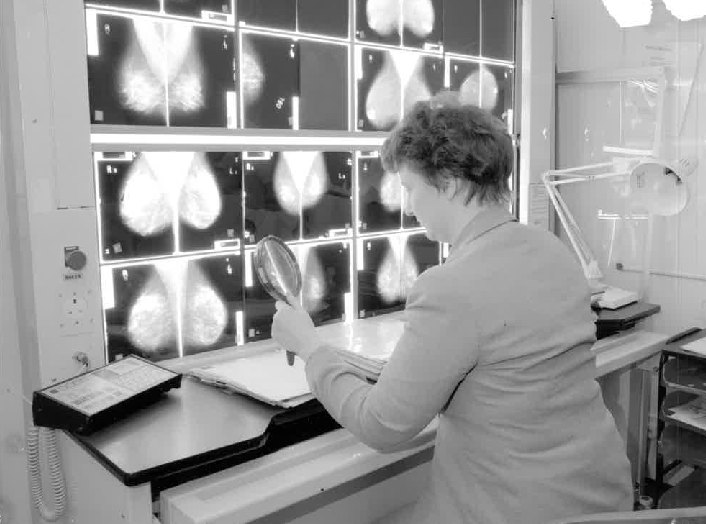
Dr Anne-Marie Wason screening for breast cancer in the late 1990s

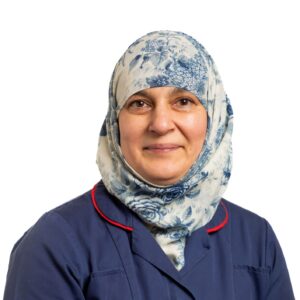
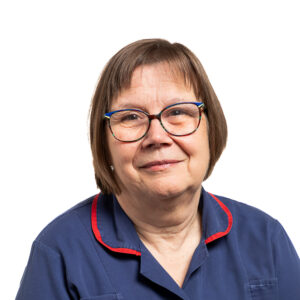
The Breast Cancer Team

Fiona Langlands
Consultant Breast Surgeon

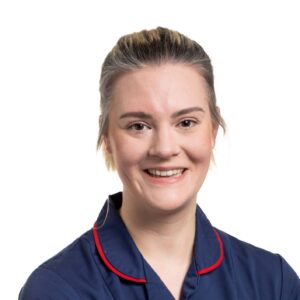
Rebecca Turner
Breast Care Nurse Specialist

Kathryn Kitchen
Breast Care Nurse Specialist

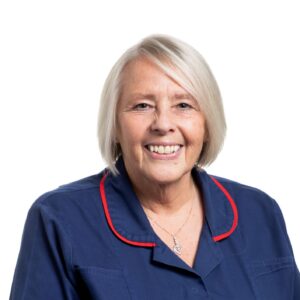
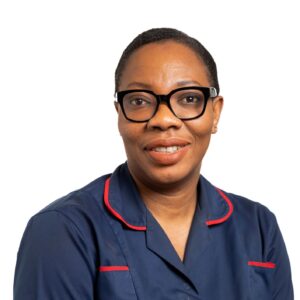
Priscilla Dortey-Bawah
Breast Care Nurse Specialist

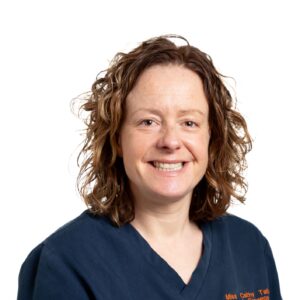
Catherine Tait
Associate Specialist MDT Lead

Sakina Jan Iqbal
Breast Care Nurse Specialist

Mandy Blackburn
Breast Care Nurse Specialist

Sandra Stewart
Care Co-ordinator

Rebecca Burbidge
Advanced Clinical Practitioner

Contact

Breast secretaries: 01274 365734 or 01274 365844

CNS team: 01274 365190

Monday to Friday, 8am to 5pm. Closed on bank holidays. An answerphone is available outside these times.

The Breast Clinic

The Breast Clinic is located in Horton Wing at St Luke’s Hospital. The Breast Team have clinics on the 2nd Floor, Area 8. The Screening Team can be found on the left hand side of the corridor in the Pennine Breast Screening and the Surgical Team can be found on the righthand side of the corridor in the Dales Unit.

If you are referred to the clinic, we understand you may wish to have a friend or relative with you for company and support. This is possible but they will not be able to enter some areas such as x-ray rooms. Both male and female health professionals work in the breast clinic. During your visit you will be offered a chaperone who can be present with you during any examinations that need to take place. If you have any special requirements or concerns prior to your visit, you can contact the breast secretaries on 01274 365734 or 01274 365844 to discuss these with the team. Your breast cancer nurse specialist team can answer any questions or concerns you have.

General information

Medical students

Bradford NHS Foundation Trust is a teaching hospital. It is possible medical students may be present in the clinic. If we are supporting and teaching students, you will be asked for your permission for the student to observe your assessment and examination.

Diagnosis

When your GP examines your breasts they may feel that there is no need for further investigation, they may ask to see you again or they may refer you to a breast clinic. This doesn’t necessarily mean that you have breast cancer, just that further assessment or advice may be required.

Breastfeeding

If you are breastfeeding, we can provide a quiet room during your clinic visit please speak to the team on your arrival if you require this support during your visit.

Family history

On average about 1 in 8 women will develop breast cancer. While men can get breast cancer, they make up less than 1% of all breast cancer cases. A small number of women may have an increased risk of developing breast cancer because they have a significant family history of the disease or have other known risk factors. People who are concerned about a potential family history of breast cancer are advised to see their GP who will make a referral to the Family History Clinic if necessary.

Treatments for breast cancer

Endocrine therapy

Some breast cancers use the hormone oestrogen to help them to grow. Hormone therapy is a treatment that stops the effect of the oestrogen on the breast cancer cells. This treatment is also called endocrine therapy.

Breast family history clinic

People who are concerned about family history of cancer are advised to see their GP who will make a referral to the family history clinic if necessary.

After effects of breast cancer treatment

The possible after effects can be in the form of pain, discomfort, bruising, swelling and more.