One hundred and ninety-eight* adults and children are currently waiting for life-saving transplant operations in Bradford.
More people are also being urged to confirm their wishes on the organ donor register as new figures reveal 253,998 people with a Bradford postcode have ‘opted in’ to the UK Organ Donor Register.
This year the city’s organ donor champion wants people to think about giving someone the gift of life to help those waiting to receive the life-saving call to say a donor organ has become available.
Dr Dave Burtle, clinical lead for organ donation and an intensive care unit consultant anaesthetist at Bradford Teaching Hospitals NHS Foundation Trust, said: “The UK transplant waiting list has reached its highest levels ever with around 8,300 people waiting for a lifesaving transplant and here in Bradford the numbers waiting for an organ donation remain as tragically high as ever.
“Organ donation is a gift of life. One organ donor has the potential to save or transform the lives of up to nine others , with specific organs like kidneys, livers, lungs, heart, pancreas, and bowel being transplanted to recipients Life-saving and live changing organ transplantation is, in the majority of cases, only possible due to the altruism of people in the community who chose to donate their organs after death.”
Sadly, six patients from Bradford have died waiting on the transplant list between April 1, 2025, to April 1, 2026.
Forty-three patients have been given the gift of life, 20 people who received a kidney from a deceased donor and nine patients who received an organ from a live donor. Eleven patients received a liver transplant, however, unlike previous years, there were no lung transplants. A further 48 patients received donated corneas.
Dr Burtle said: “We are so grateful to these people and their families who have donated their organs.
“They should be comforted by the fact that their generous donations have gone on to save many, many lives.”
The news comes as the Foundation Trust continues to raise awareness through the work of its organ donation committee, headed by Dr Burtle, which was set up in 2010 to try to increase awareness of transplantation and to boost the number of donors.
Razdy Igasan, NHS Blood and Transplant specialist nurse for organ donation, based at Bradford Royal Infirmary, said: “I would urge everyone to confirm their decision on the NHS Organ Donor Register to help save lives this year.
“Despite the fantastic news that 43 people are alive today thanks to the generosity of others, it is tempered with the fact that six patients died last year waiting for the life-saving transplants that never came.
“We also urgently need more people from the south Asian and Afro-Caribbean communities to confirm their wishes on the organ donor register – as patients from these backgrounds wait longer and get much sicker – before a suitable, compatible match becomes available.
Mr Igazan concluded: “If you believe in organ donation, please prove it this year and confirm your wishes on the register today. There are almost 200 people in Bradford in urgent need of organ transplants.
“I hope that this year, families and loved ones will sit down and talk about donating their organs.”
To become a donor, you can Register your decision – NHS Organ Donation or use the NHS App.
You can also call: 0300 123 23 23.
*90 of the 198 are active on the transplant list as of April 1, 2026, with further numbers ‘suspended’ which means those patients have been temporarily removed from the list. This happens for reasons such as their situation has deteriorated, they are too ill to undergo the operation or are away on holiday.
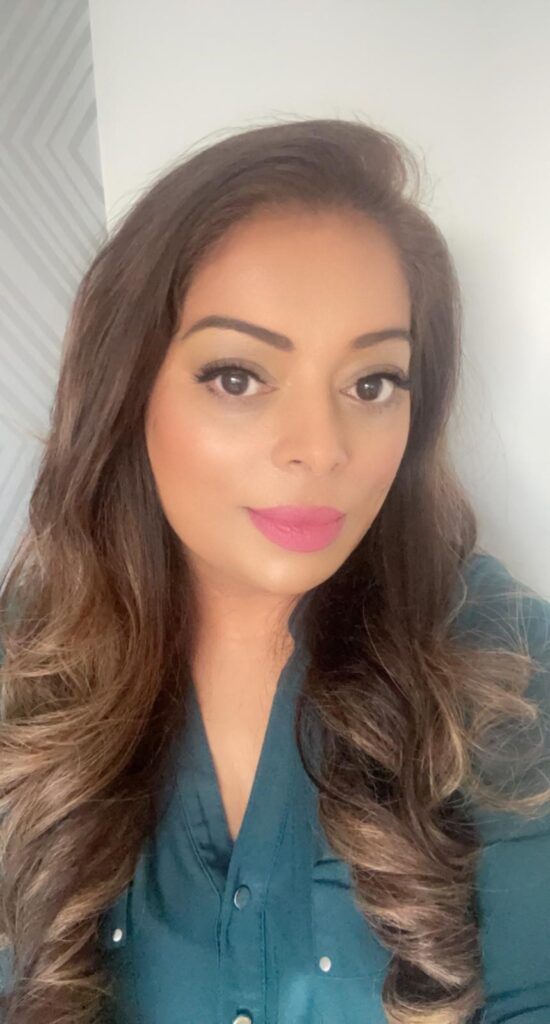
Patient Story – Hafsa Begum
Hafsa, 45, is a married mother of three and a GP practice nurse with over two decades of experience caring for patients with long-term conditions. She trained in Bradford and began her career at Bradford Royal Infirmary before moving into primary care.
In May 2023, Hafsa’s life changed suddenly when her health began to deteriorate. She experienced symptoms including blood in her urine, pain in her sides and heart palpitations. Initial tests revealed her kidney function had dropped significantly, and despite ongoing monitoring, it continued to decline.
She spent two months in hospital undergoing extensive investigations, including CT scans and kidney biopsies. In June 2023, she was diagnosed with myositis, a rare autoimmune condition that causes muscle inflammation, weakness and fatigue. She was also found to have a renal thrombosis a blood clot affecting the kidneys which led to acute kidney injury and left her with severely reduced kidney function.
By March 2024, Hafsa’s kidneys had failed completely, and she had to begin emergency dialysis via a central line. This temporary but high-risk access remained in place for several months, during which she had to live very cautiously due to the risk of infection.
She later underwent surgery to create a fistula in her arm as a more permanent access for dialysis. However, she experienced complications with the fistula and it ultimately had to be ligated. As a result, she is now back on a central line for her ongoing haemodialysis treatment.
Without dialysis, Hafsa would be receiving palliative care. Her only hope of regaining independence is a kidney transplant and she is currently on the transplant waiting list.
Hafsa said: “Dialysis takes so much from me. Three days a week are lost to treatment and I have to carefully control what I eat and drink. Some days I’m on the machine for nearly four hours and it’s exhausting. It drains you physically and emotionally, but it’s what’s keeping me alive.
People often associate palliative care with cancer, but kidney patients can be on this pathway too, and that’s very frightening. As a mother and a wife, you have goals and responsibilities, but life feels like it’s on hold. You’re constantly waiting for that call for a transplant your phone is always on loud, your bag is packed and you’re hoping that today might be the day.
I was always someone who looked after my health. I ate well, exercised and encouraged my patients to do the same, so this has been a huge shock.
“A transplant wouldn’t just improve my health it would give me my life back.
“As part of my faith, saving a life is such a powerful act and I would really encourage people to consider organ donation.”
ENDS …