We care for people with head and neck cancers, a rare group of cancers with about 10,000 new cases each year in the UK. These cancers can affect:
- Mouth and lips
- Larynx (voice box)
- Throat
- Salivary glands
- Nose and sinuses
We care for people with head and neck cancers, a rare group of cancers with about 10,000 new cases each year in the UK. These cancers can affect:
Our clinic is based at Bradford Teaching Hospitals. Some treatments may also take place at partner hospitals such as Leeds Cancer Centre at St James’s Hospital.
We know a cancer referral can feel worrying. You are welcome to bring a friend or family member for support when you come for your appointments. They may not be able to enter certain areas, like imaging or treatment rooms, but our team will help you feel supported throughout.

Theo Boye
Consultant – Maxilliofacial

Farhan-Khalid
Consultant – Maxilliofacial

Ahmed-Al-Khayatt
Consultant in Restorative Dentistry and Oral / Maxillofacial unit
Vlasios Oktseloglou
Consultant
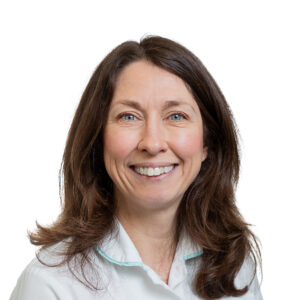
Margaret Evans
Highly Specialist Speech Therapist

Hamzah Rana
Head and Neck Care Coordinator

Helen Lambert
Head and Neck Cancer Secretary
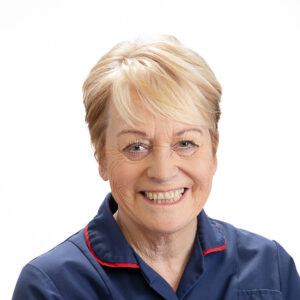
Elaine Sergeant
Cancer Nurse Specialist
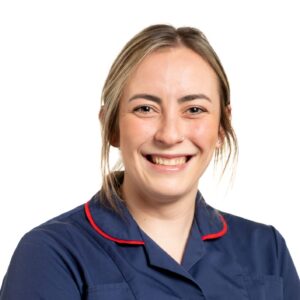
Claire Cram
Head Neck Cancer Nurse Specialist

Kasie Thorpe
Head and Neck Clinical Nurse Specialist
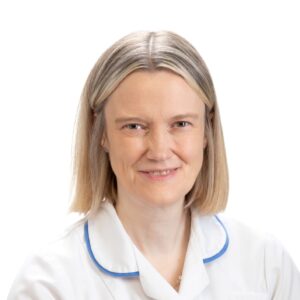
Lucy Taylor
Macmillan Head and Neck Cancer Highly Specialist Dietitian
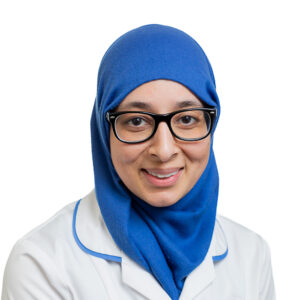
Tahira Afzal
Macmillan Specialist Dietitian
If you have any questions or concerns, please contact:
Treatment depends on the size, type, and location of the cancer, whether it has spread, and your general health. Your consultant will discuss what’s best for you.
Different types of surgery are available depending on where the cancer is. Your consultant will explain your options if surgery is recommended.
Uses high-energy rays to kill cancer cells. It may be used:
Radiotherapy for head and neck cancers is given at St James’s Hospital, Leeds. The number of sessions depends on your treatment plan.
Uses drugs to treat cancer. Not all patients will need it. If it is recommended, your healthcare team will explain when and how it will be given.
Helps your immune system recognise and attack cancer cells. If suitable, you will be referred to the Systemic Therapy Clinic in Leeds.
If a cure isn’t possible, palliative treatments such as radiotherapy and symptom control can improve quality of life. Our team will work with you to manage symptoms and support you and your family.