Acute Oncology 24-hour helpline

If the mobile number is not in service, please call the landline.

When to call the helpline

Our 24-hour telephone helpline is for adult patients who have any concerns or symptoms during and after receiving treatment for cancer. This includes, systemic anti-cancer treatment therapy (SACT), chemotherapy, radiotherapy, immunotherapy and bisphosphonates, or any bone marrow cancer patients that have undergone transplant treatment.

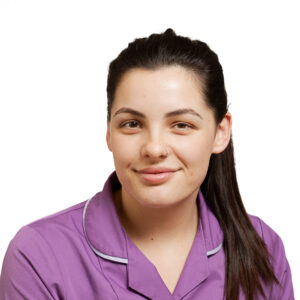
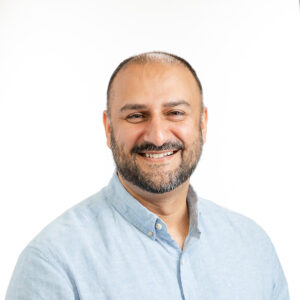
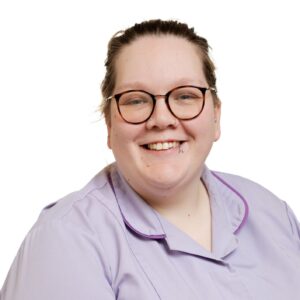
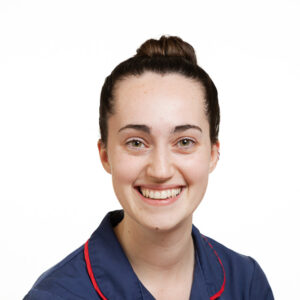
The Chemotherapy Team
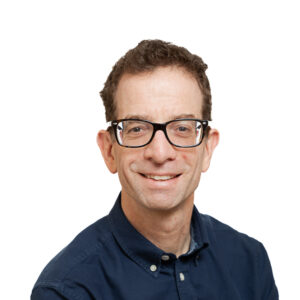
Andrew Conn Consultant Medical Oncologist FRCP PhD 4C8A3418
Andrew Conn
Consultant Medical
Oncologist

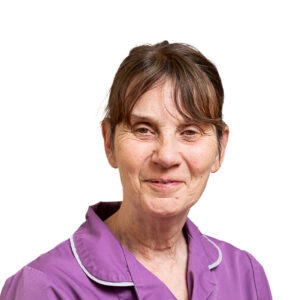
Carolyn Butterfield - Haematology and Oncology - day unit manager 4C8A3301

Carolyn Butterfield
Day Unit Manager

Ebony Howker - Staff Nurse - Haematology and Oncology 4C8A3308

Ebony Howker
Sister

Syed Shah - Locum Consultant - Oncology 4C8A4419

Syed Shah
Locum Consultant – Oncology
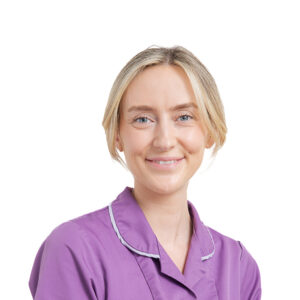
Kate-Hamilton-Staff Nurse-Haematology-&-Oncology-4C8A7509

Kate Hamilton
Staff Nurse

Hannah Parker - Staff Nurse - HODU 4C8A3363

Hannah Parker
Staff Nurse

Victoria Rawnsley - Oral Chemotherapy - CNS 4C8A3391

Victoria Rawnsley
Cancer Nurse Specialist
Chelsie Reardon - Sister - Meadows Haematology & Oncology

Chelsie Reardon
Sister

Our chemotherapy service treats over 150 patients every week.

We provide chemotherapy and other Systemic Anti-Cancer Therapies (SACT) such as:

  • Immunotherapy – helps the immune system fight cancer
  • Targeted therapies – attack specific cancer cells
  • Hormone treatments – slow or stop certain cancers from growing

These treatments can be given as:

  • injections
  • drips (infusions)
  • tablets/capsules

They travel through the body to slow or stop cancer growth.

Where we treat patients
  • Inpatient care – Wards 33 and 24, Bradford Royal Infirmary (BRI) for patients who need treatment in hospital or help with complications/side effects
  • Outpatient care – The Meadows Unit, Eccleshill Community Hospital for day-case treatment and clinics
Before you start treatment

If you have been referred to an oncologist (cancer doctor) or haematologist (blood cancer doctor), you will meet your healthcare team to discuss your treatment.

You will be given:

  • Information about your cancer and treatment options
  • Contact numbers for the team that will be looking after you
  • Advice on diet, lifestyle, and staying well during your treatment

We recommend visiting the Macmillan Cancer Support website for information about your specific treatment and medicines.

Consent clinic

Your first appointment will be at The Meadows Unit. This is your chance to:

  • Learn more about your treatment plan
  • Ask questions
  • Meet the team who will look after you
  • See the treatment area
  • Have any required blood tests and checks (blood pressure, pulse, weight, urine test)

Bring a list of your current medicines, as some treatments can interact with them.

We can also refer you to other professionals such as dietitians, social workers, and community nurses.
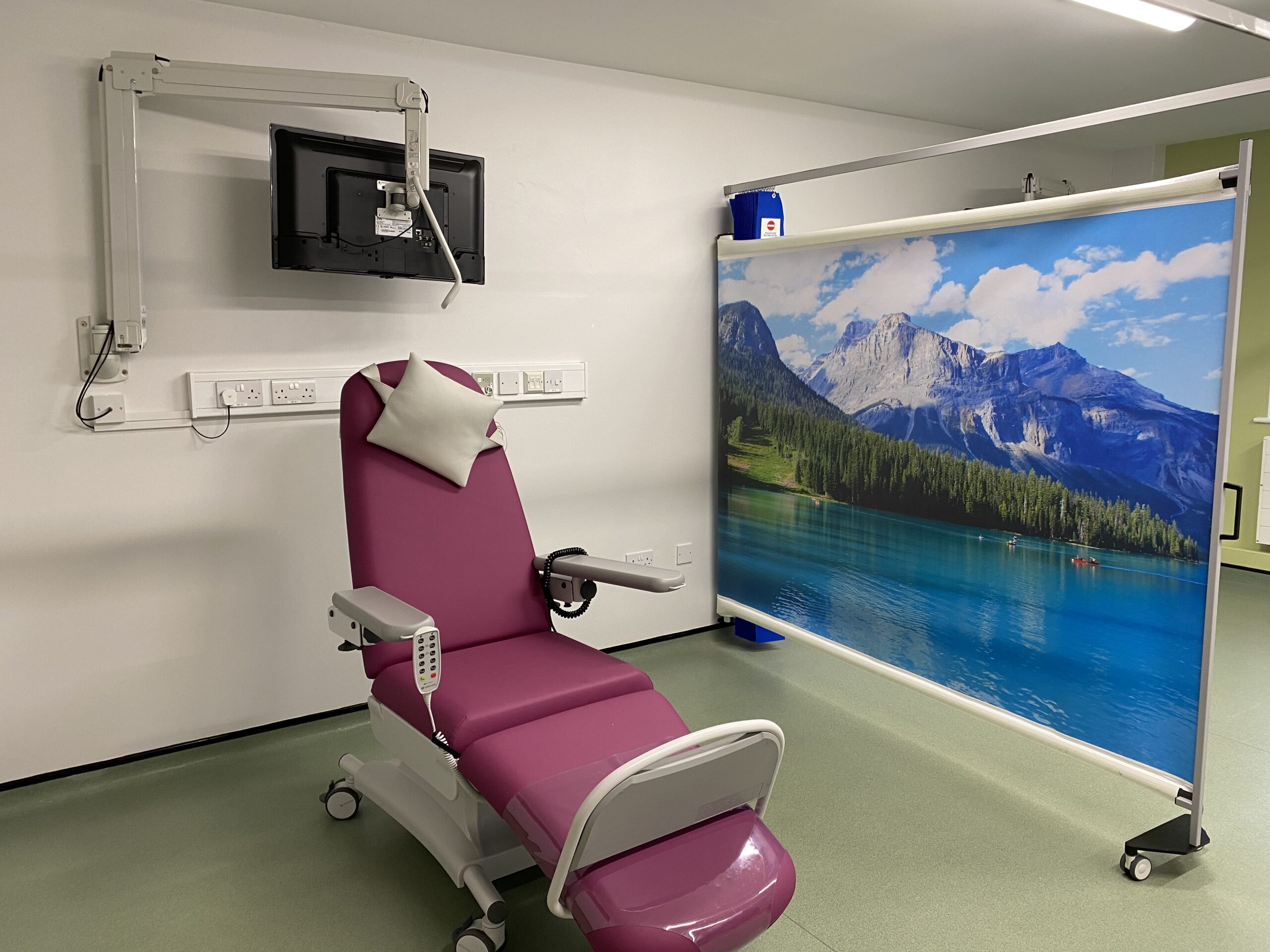
the meadows eccleshill hospital

How treatment is given

Chemotherapy and other SACT treatments may be:

  • Tablets or capsules taken at home
  • Injections or drips (intravenous) given in the clinic
  • Continuous infusions via a pump over several days

For intravenous treatments, you may have:

  • A cannula – a small tube inserted into a vein in your arm
  • A central venous access device (Hickman line, PICC line, or Port-a-Cath) – inserted into a larger vein for long-term use

Treatment is given in cycles, which include treatment days and rest days to allow recovery. A set of cycles makes up a course.

Day-case treatment

Most patients have treatment as a day case at The Meadows Unit, Eccleshill Community Hospital

Opening hours: Monday – Friday between 8.00 am and 6.30 pm

What to bring with you and what you should wear:

  • Clothes with short or loose sleeves for easy access to your arm
  • Books, magazines, or headphones for entertainment

What happens on the day:

  1. Check in at reception
  2. Blood results are reviewed for safety
  3. Your treatment is prepared by the pharmacy
  4. A nurse checks your details and starts your treatment

You will be seated in a comfortable chair and can eat and drink during your treatment. For longer treatments, snacks and drinks are provided.

Scalp cooling

For some treatments that cause hair loss, we may offer scalp cooling to help reduce this.

Please be advised that:

  • This is not available for haematology (blood cancer) patients
  • It must be started from your first treatment
  • It will take extra time before, during, and after treatment
After each treatment

When your treatment finishes, your nurse will:

  • Give you any medicines you need to take at home
  • Explain how and when to take them
  • Confirm your next appointment

If you have questions after you go home, contact your clinical team using the numbers provided at your consent clinic.