
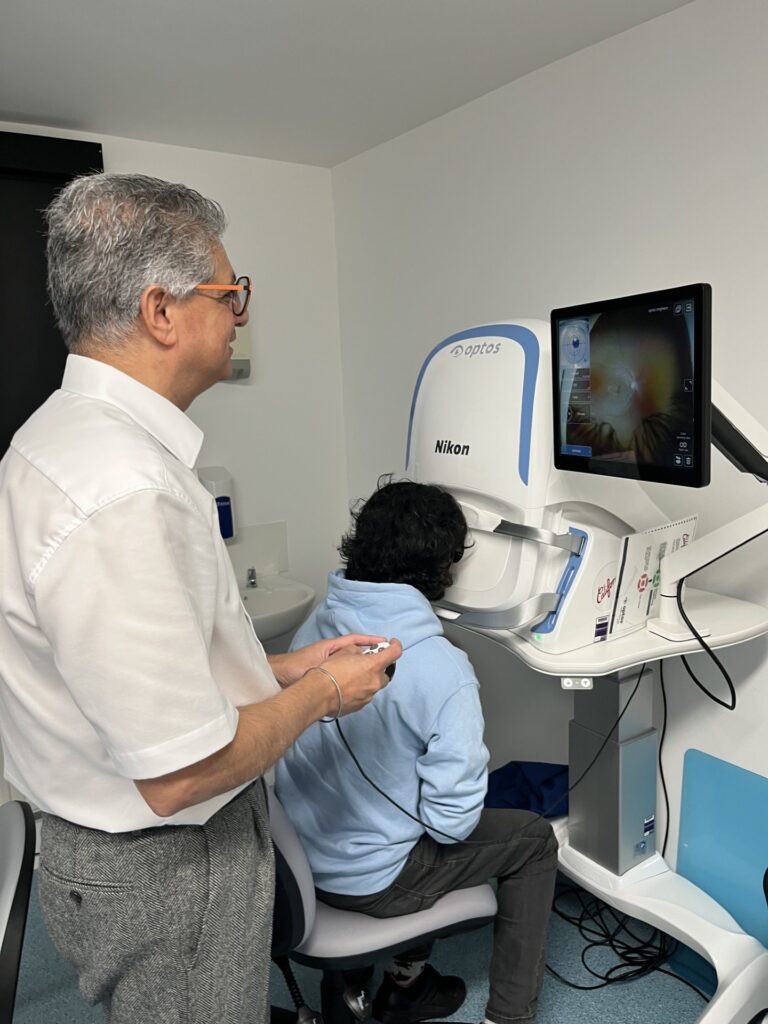
A new specialist eye screening service for sickle cell, thalassaemia and rare inherited anaemia patients from across the district has opened in Bradford.
Sickle cell disorder (SCD) affects around 17,000 people in the UK and thalassaemia affects around 1,600 people in the UK. Every SCD patient is at risk of developing sickle cell retinopathy – an eye condition which can lead to blindness if not picked up and treated early.
Bradford Teaching Hospitals NHS Foundation Trust Consultant Haematologist, Dr Clare Samuelson, explained: “Approximately 600 people in the UK with sickle cell disorder or thalassaemia are on desferrioxamine iron chelation therapy[1] which carries a risk of damage to the retina and therefore also a risk of affecting people’s sight when they are treated with this medication.
“In Bradford we have around 70 adults living with sickle cell disorder and around 20 adults taking desferrioxamine iron chelation, all of whom will benefit from this new screening service which aims to pick up, monitor and treat any sight disorders that may arise.”
Up until August, screening took place at Bradford Royal Infirmary’s (BRI) eye department but this new ‘Community Specialist Eye Screening Service’ at the Windhill Green Medical Centre can screen hospital patients who are prescribed desferrioxamine, alongside sickle cell patients, thanks to the addition of latest technology as wide screen imaging has been made possible due to the recent purchase of a new ‘Optos’ machine.
The Windhill Green service led by General Practitioner, Dr Richard Haddad and Specialist Optometrist, Ravi Naru, with clinical support from Consultant Ophthalmologist, Miss Roopa Setty, was previously used for eye screening for various, other conditions over the past year and the centre’s ‘Emerald Suite’ already provides an ophthalmology clinic to screen patients taking hydroxychloroquine.
Dr Samuelson added: “All patients with SCD and/or on desferrioxamine treatment need to have this screening to prevent risk to their sight. August was the first time that screening for those on desferrioxamine has taken place, so I am delighted to see this new, community service for our patients.
“It allows all patients to be reviewed by the specialist team with expertise in screening for people with haemoglobinopathies, so they can get the right test, the right advice and – where needed – the right treatment in a good timeframe.”
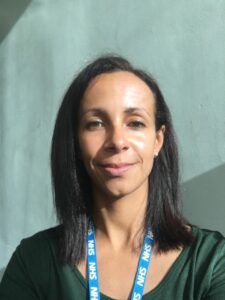
Dr Clare Samuelson
The Shipley site is also easily accessible to patients as Shipley train station is a five-minute walk away and there is free parking at the clinic.
Eye clinics currently run three days a week but may increase as the unit gets busier.
Dr Samuelson continued: “It’s vital that abnormalities are picked up and acted on early as otherwise there is a real risk of losing sight with both SCD and desferrioxamine patients.
“SCD can cause bleeding into the eye, and retinal detachment while desferrioxamine can cause toxicity to the receptors at the back of the eye. With both, the person may not experience symptoms if the damage is early, but this could be picked up on specialist scans.
“This will be the first time patients with desferrioxamine have been included in our screening programme, so this is excellent news.
“It is great to see a new and excellent service for people living with SCD and thalassaemia. These patients deserve the highest quality of services the NHS has to offer as they continue to try and lead ‘normal’ lives despite having immense medical challenges.”
[1] National Haemoglobinopathy Registry report 2023-24.