On average about 1 in 8 women will develop breast cancer. While men can get breast cancer, they make up less than 1% of all breast cancer cases. A small number of women may have an increased risk of developing breast cancer because they have a significant family history of the disease or have other known risk factors.

People who are concerned about a potential family history of breast cancer are advised to see their GP who will make a referral to the Family History Clinic if necessary. Please note that Family History Referrals are only for patients who are not experiencing symptoms. Symptomatic patients should be referred to a symptomatic surgical breast clinic. If you have any breast changes or have concerns about your health then please contact your GP.
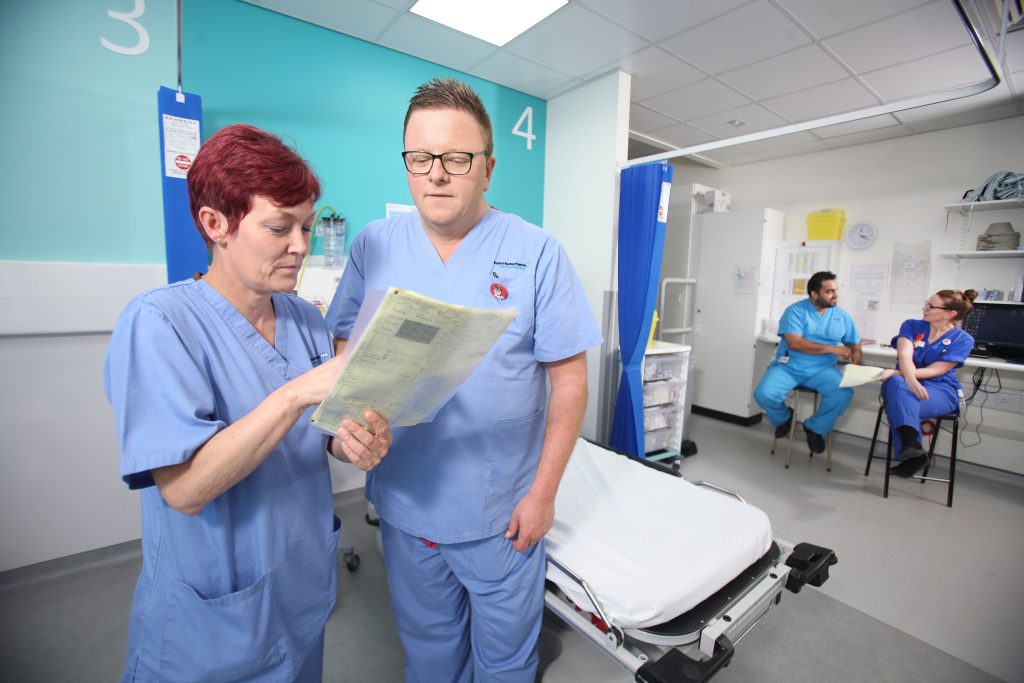
Staff in A&E assessment

Criteria

People who have not had breast cancer but who meet the following criteria should be offered referral to specialist care at a hospital. You may be eligible for an appointment if you have:

  • one first-degree female relative diagnosed with breast cancer before they were 40
  • one first-degree male relative diagnosed with breast cancer at any age
  • one first-degree relative with bilateral breast cancer where they were diagnosed before they were
  • two first-degree relatives, or one first-degree and one second-degree relative, diagnosed with breast cancer at any age
  • one first-degree or second-degree relative diagnosed with breast cancer at any age and one first-degree or second degree relative diagnosed with ovarian cancer at any age (one of these should be a first –degree relative)
  • three first-degree or second-degree relatives diagnosed with breast cancer at any age

First degree relatives include your mother, father, brothers, sisters and your children. Second degree relatives include aunts, uncles, grandparents, nieces and nephews. You may also be referred if:

  • you have Ashkenazi Jewish or the Shetland Island of Whalsay ancestry
  • you or a relative has had sarcoma (cancer in the connective tissues, for example in the muscle or bone) before the age of 45
  • you or a relative has had glioma (a type of brain tumour) or childhood adrenal cortical cancer (cancer in the outer layer of the adrenal gland)
  • two or more relatives on your father’s side of the family have had breast cancer

More information

About the clinic

Clinics are held in the Dales Suite Breast Clinic in Horton Wing at St Luke’s Hospital. You will be seen by a doctor or nurse who will check your family history and also check for other risk factors for breast cancer. The more information we have about your family, their ages, any cancers they have had diagnosed and the ages these were diagnosed enables us to more accurately estimate your risk.

Many women can be reassured that they are in the ‘Population Risk’ group and have a similar risk to other women in the population of the same age and can therefore be screened every three years from 50-70 as part of the National Breast Screening Programme. Some women may be told that they have an increased risk which falls into a ’Moderate’ or ‘High’ risk group and may be advised of additional screening e.g in the form of annual mammography.

Plan of care

You will be given information on how to check and examine your breasts and various risk factors and lifestyle advice including diet, exercise, alcohol and Hormone Replacement Therapy (HRT) and contraceptive use. Following assessment your clinician may discuss chemoprevention (medication in tablet form that can help reduce the risk of developing breast cancer).

During the Family History Clinic women are offered a clinical breast examination. If appropriate a mammogram will be requested, this is not performed on the same day as the consultation. The results of the mammogram take a few days to be reported, a letter will be sent to you informing you of the results. If further images are required, such as an ultrasound or a 3D mammogram image then you will be sent an appointment from the radiology service for this.

Summary

If you have been told that you have an increased risk of breast cancer and are eligible for early or additional screening this will be scheduled for you through a family history service. The risk that you have been given is based on the information that you have told us at the time. It is important that you inform us of any changes in your family history (such as a new cancer diagnosis) as this may change your risk and screening recommendations.

Please remember that if you have any concerns or symptoms in between any screening appointments with us you need to discuss these with your GP as you may need a referral to a surgical symptomatic clinic. The family history is only for routine assessment and screening.

Contact details

If you have any queries regarding your care or treatment then please get in touch:

  • Breast Secretaries: 01274 365734 or 01274 365844
  • Breast Care Nurses office: 01274 365190